 Simcoe County Master Gardeners
Grow Natives!
PLANT PROFILE
COMMON NAME: White Birch/Paper Birch
SCIENTIFIC NAME: Betula papyrifera
| Family | Birch |
| Cdn Native Range | all of Canada except Nunavut |
| Natural habitat | open, often disturbed sites and forest edges, lakeshores, roadsides on a variety of soils. |
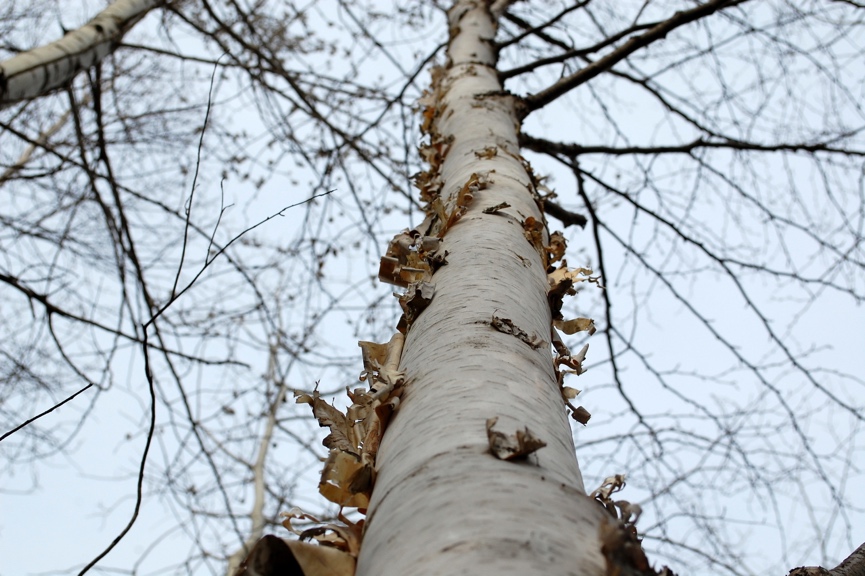
| Features | On mature trees, the bark is distinctively white and very ornamental as it naturally sheds; spreads as either single trunked trees or multi-stemmed clumps. |
| Growth habit | crowns are open; fast-growing |
| Mature height | 15–25 m |
| Mature trunk width | 30–60 cm |
| Life span | 25–80 years or longer under ideal conditions |
| Cdn Hardiness Zone | 2–6 |
| Growing conditions | sun |
| Soil conditions | drying average to moist |
| Watering needs | supplementary watering for the first 2–3 years |
| Tolerance | salt, drought, fire, deer, rabbit |
| Pruning needs | Birches “self-prune” and drop their lower branches. |
| Bloom | tiny, dangling yellow (male) flowers and upright (female) catkins emerge in spring |
| Fruit | small flat nutlets inside the catkins drop in the fall |
| Pollinator support | larval host to hundreds of species of butterflies and moths including the mourning cloak, the luna, the virginian tiger, and the banded tussock. catkins are an early spring food source for pollinators. |
| Environmental support | Provides year-round sustenance for various animals; an important food source for chickadees. Woodpeckers, sapsuckers, and nuthatches use the cavities for nesting. Bark is used as nesting material and as habitat for many insects including beneficials like ladybugs, lacewings, and parasitic wasps. A pioneer species, paper birch colonizes disturbed areas after fires and clearcuts, allowing the ecosystem to recover. |
| Garden Use | accent, specimen, massing, grove, erosion control |
| Risks & Cautions | Peeling the outer bark and exposing large sections of the inner bark can kill the tree. Isolated trees often die; some pests and diseases; poor heat tolerance; branch breakage in storms. |
References: John Laird Farrar, Trees in Canada; Linda Kershaw, Trees of Ontario; Lorraine Johnson’s and Sheila Colla, A Garden for the Rusty-Patched Bumblebee; Heather Holm, Bees: An Identification and Native Plant Forage Guide.
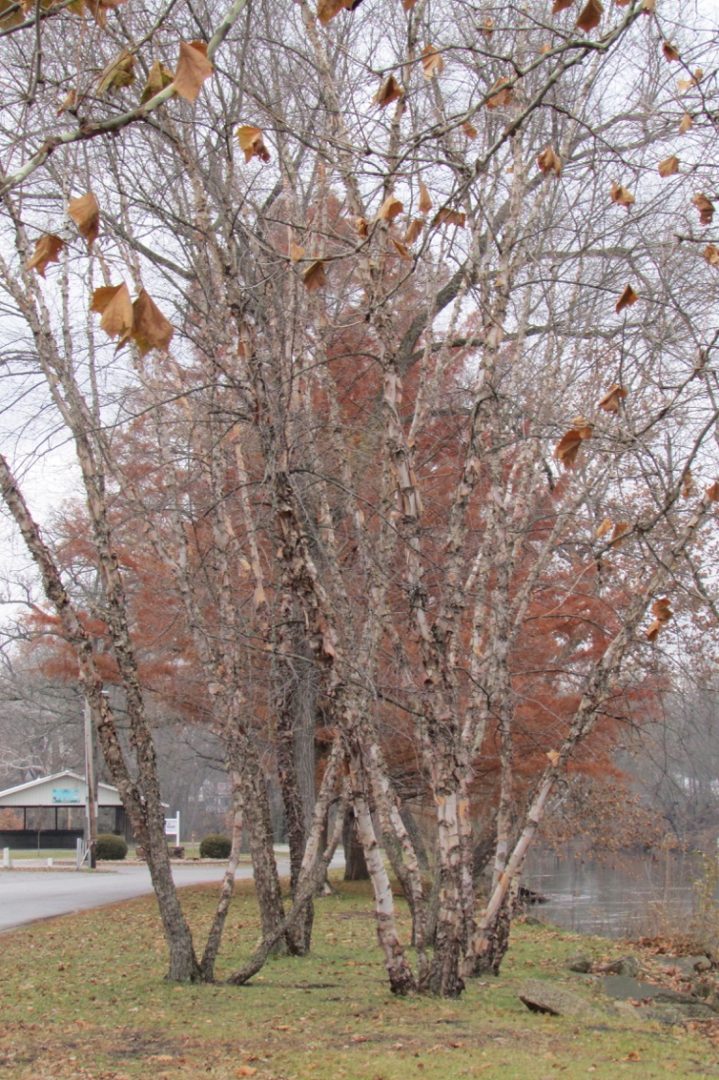
Photo Credits:
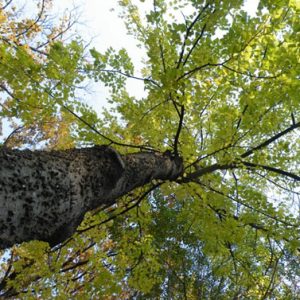
White Birch – bark (credit: gutenfrog, Flickr on CC)
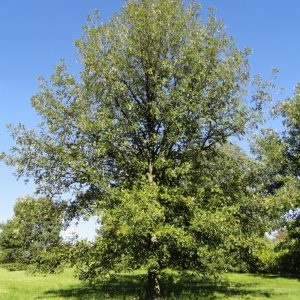
White Birch – multi-stemmed (credit: Chris Light, CC BY-SA 4.0 via Wikimedia Commons)