 Simcoe County Master Gardeners
Grow Natives!
PLANT PROFILE
COMMON NAME: Northern bush honeysuckle
BINOMIAL: Diervilla lonicera
| Family | Caprifoliaceae |
| Cdn Native Range | across Canada from Newfoundland to Saskatchewan |
| Natural habitat | commonly found in rocky exposed sites that have dry, or infertile soil; tolerance for cool climates; forested areas dominated by Jack pine and balsam fir |
| Type | hardy deciduous shrub; ability to thrive in difficult, dry and shady conditions |
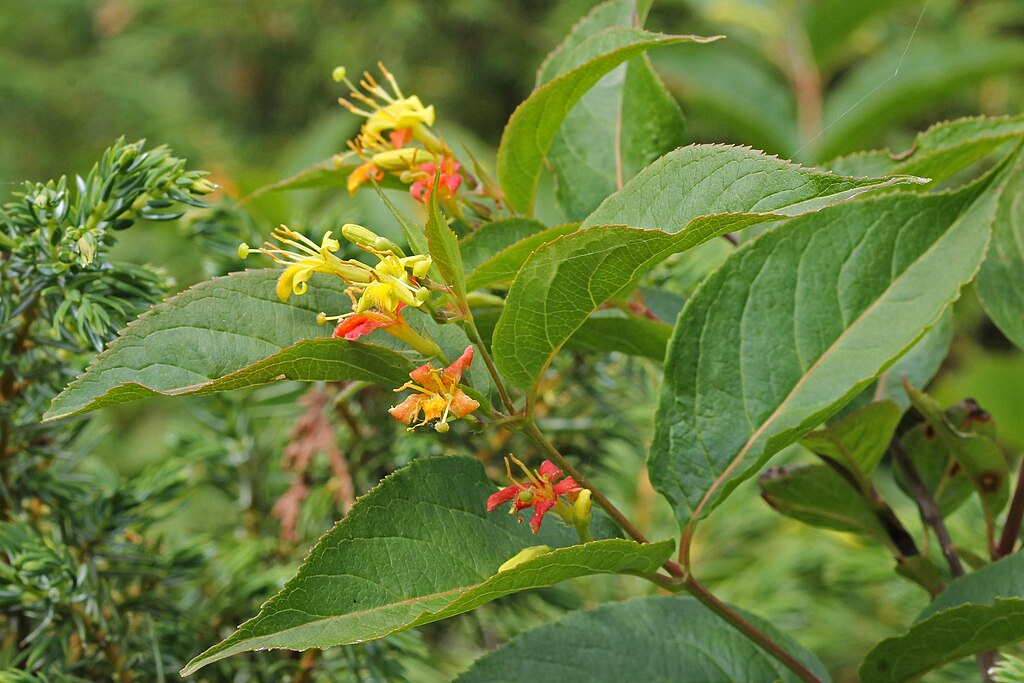
| Features | spreads by root suckers to form colonies; small yellow trumpet shaped flowers emerge in early summer often turning red or orange after pollination; green foliage deepens to a dark red |
| Growth habit | upright, rounded, multi-stemmed, tall/short, spreading, climbing, ornamental |
| Mature height | maximum height between 0.6 and 1.2 m (24 to 47”) |
| Mature spread | 0.6 to 1.2 m (24–47”) |
| Life span | n/a |
| Cdn Hardiness Zone | 3 – 7 |
| Growing conditions | insensitive to changes in light so thrives in both full sun and full shade |
| Soil conditions | adoptable to dry, rocky and sandy soil |
| Watering needs | n/a |
| Fertilizer needs | compost, natural mulch |
| Tolerance | highly resilient, drought tolerant plant |
| Maintenance rank | low |
| Maintenance needs | can be pruned to maintain shape in late winter or after flowering |
| Bloom | early summer (June–July); small yellow trumpet shaped flowers turn orange or red following pollination |
| Fruit | small, dry two valved capsules appear in clusters and turn from green to brown/dark reddish purple as they mature in late summer |
| Pollinator support | attracts butterflies, hummingbirds and bees |
| Environmental support | winter food source for moose and white-tailed deer; attracts bumble bees; host plant for the hawkmoth, and for caterpillars of the snowberry clearwing, Diervilla clearwing, laurel sphinx, Harris’s three-spot and regal moths |
| Garden Use | stabilizing slopes and banks; low informal hedge; woodland gardens, mass planting and filling in difficult shaded areas |
| Risks & Cautions | highly resilient; no serious insect of disease problems; rarely aphids; spider mites and scale; fungal leaf spots may present in wet weather; powdery mildew on leaves in high humidity; root rot if planted in poorly draining soil |
References: Ontario Trees and Shrubs, https://www.ontariotrees.com; Lorraine Johnson and Sheila Colla, A Garden for the Rusty-Patched Bumblebee: Creating Habitat for Native Pollinators
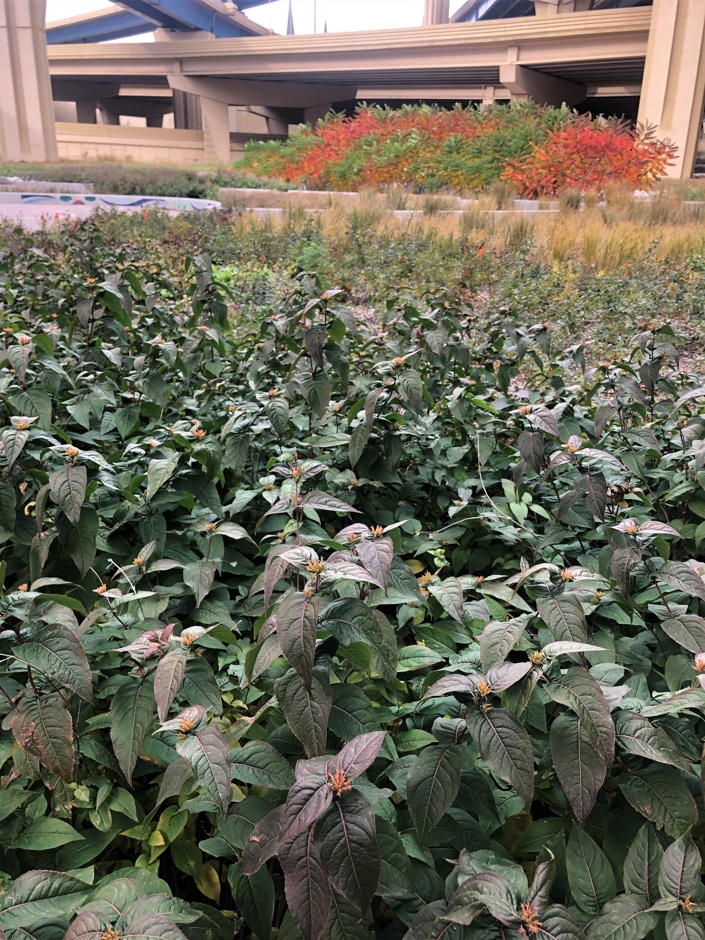
Photo Credits:
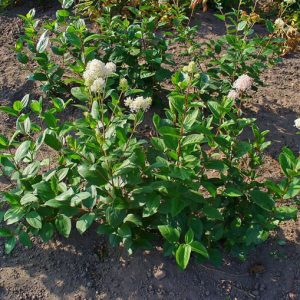
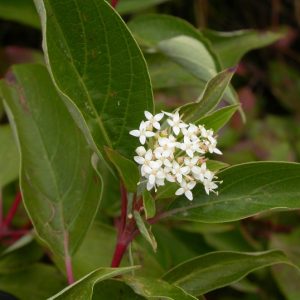
Bush Honeysuckle – flower (credit: Rob Routledge, Sault College, bugwood.org)
Bush honeysuckle – shrub (credit: Aaron Volkening, Flickr on CC)