 Simcoe County Master Gardeners
Grow Natives!
PLANT PROFILE
COMMON NAME: Field Pussytoes
BINOMIAL: Antennaria neglecta
| Family | Asteraceae |
| Cdn Native Range | all provinces except NL |
| Natural habitat | fields, prairies, open woodlands, roadsides, dry meadows |
| Type | herbaceous perennial |
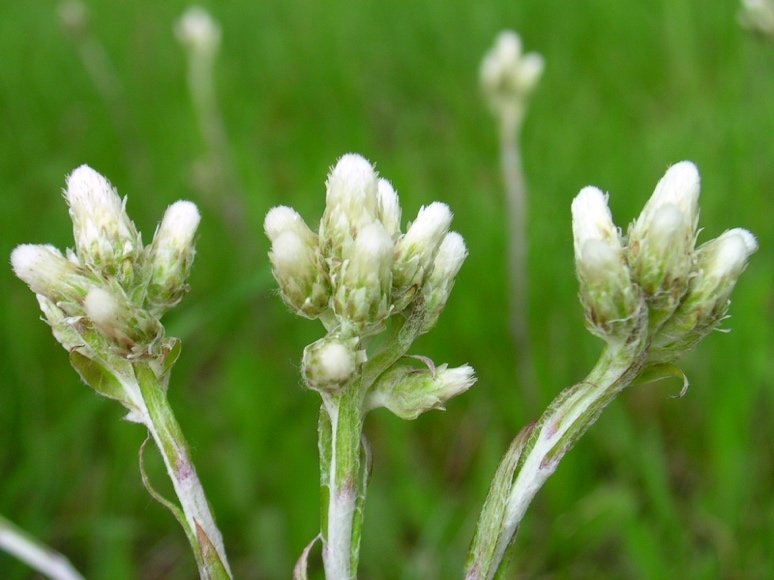
| Features | tufted white to pale pink flower that resembles cat’s toes; up to 1’ high on single stems |
| Growth habit | short, spreading ground cover; fuzzy oval silver-gray foliage lays flat on the soil forming a dense carpet |
| Mature height | 15 – 30 cm (6” – 12”) |
| Mature spread | 30 cm (12”) |
| Life span | 3 – 5 years |
| Cdn Hardiness Zone | 3 – 8 |
| Growing conditions | full sun/part sun |
| Soil conditions | well-draining gritty, rock soils |
| Watering needs | medium moisture with well-drained soil |
| Fertilizer needs | none as they prefer poor, lean soil |
| Tolerance | drought; deer browsing; rabbit browsing |
| Maintenance rank | minimal |
| Maintenance needs | cut back stems after blooming |
| Bloom | May to June; usually blooms in small patches; plants are dioecious. |
| Fruit | tiny brown seeds on female plants have tufts of white bristles attached at the top of the flower spike in dandelion-like clusters. |
| Pollinator support | larval host to American lady butterfly, everlasting bud midge, everlasting tebenna moth. |
| Environmental support | ruffed grouse, bobwhite quail and greater prairie chicken feed on the seeds; white-tailed deer feed on the plants in spring |
| Garden Use | groundcover for rock gardens, rocky slopes, prairies and meadows |
| Risks & Cautions | unpalatable to livestock; it is allelopathic and can naturally suppress the growth of nearby grasses |
References: John M. Valleau, Perennial Gardening Guide; Lorraine Johnson and Sheila Colla, A Garden for the Rusty-Patched Bumblebee
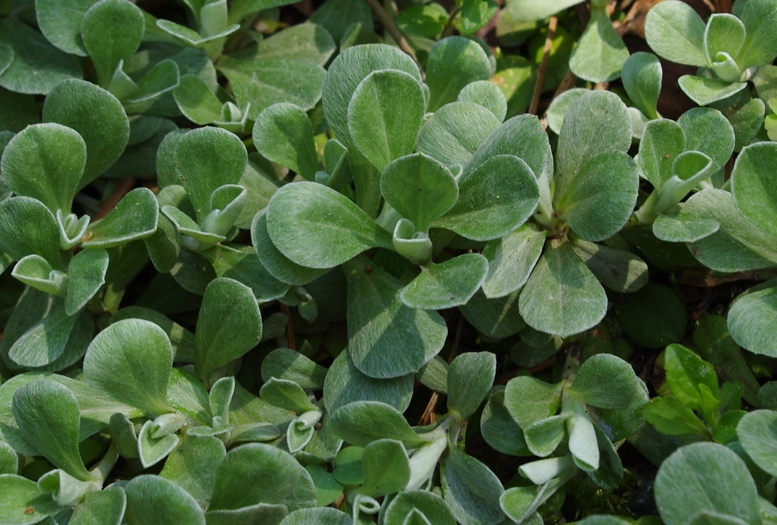
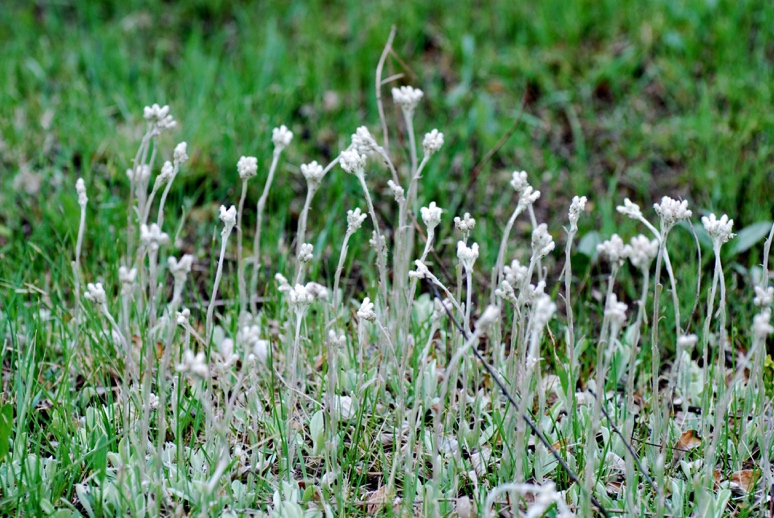
Photo Credits:
Field pussytoes – flower (credit: Superior National Forest, CC BY 2.0)
Field pussytoes – foliage (credit: El Grafo, CC BY-SA 3.0)
Field pussytoes – clump (credit: Joshua Mayer, Flickr on CC)